Inclusive food culture: the wellbeing investment that reaches everyone
The British Dietetic Association's One Blue Dot project set the direction: healthier, more sustainable eating at work should be plant-forward, culturally literate and accessible to every employee regardless of budget, faith or medical need.
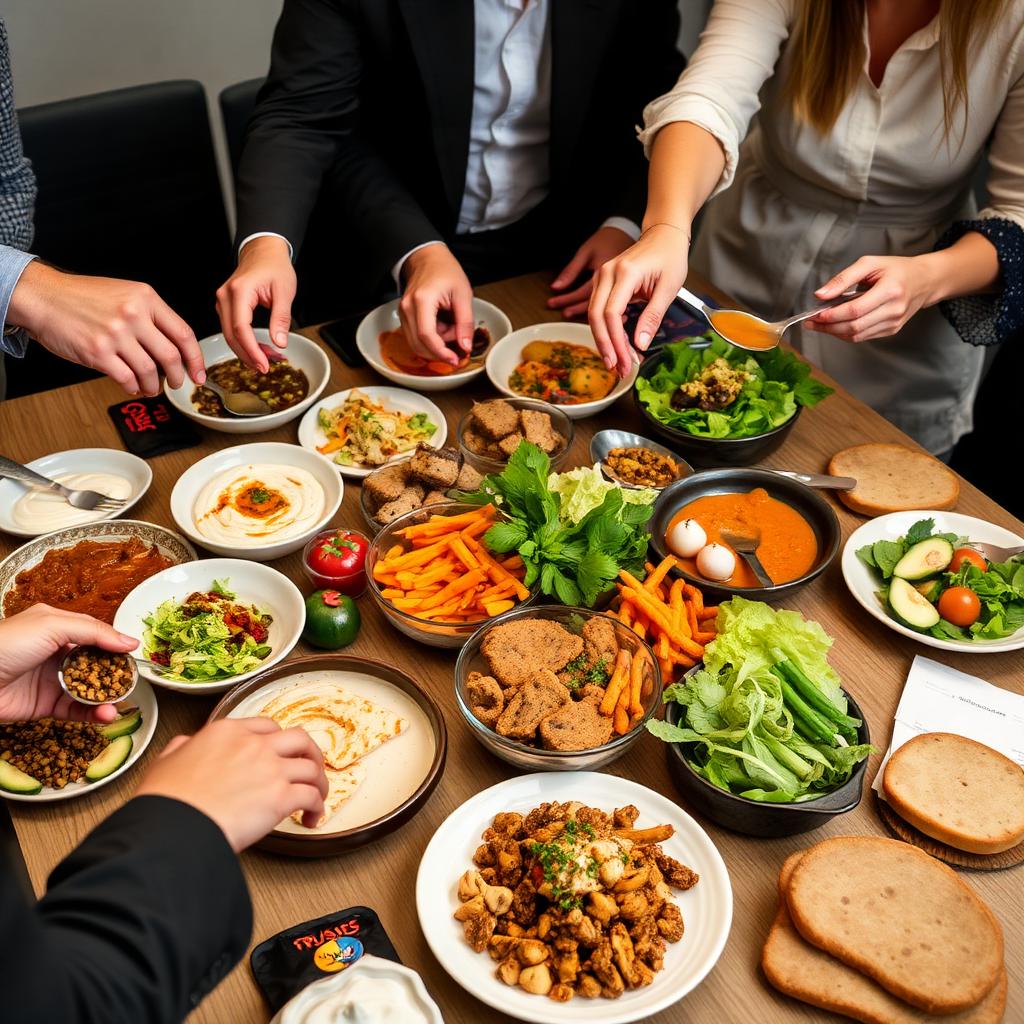
The British Dietetic Association's One Blue Dot project — led by dietitian Nichola Ludlam-Raine with the BDA Sustainable Diets Group — set out a clear direction for workplace food. Healthier, more sustainable eating patterns should be plant-forward, culturally literate and accessible to every employee, regardless of budget, faith or medical need.
For employers, the investment case is simple. A wellbeing programme that only lands for a subset of the workforce isn't a wellbeing programme — it's a segment perk. Inclusive food culture is what turns a nutrition benefit into something that reaches 100% of headcount.
What inclusive food culture looks like in practice
- A named framework for auditing your current food environment against inclusion criteria.
- Policy language that acknowledges religious, cultural and medical dietary needs by default.
- Plant-forward defaults on catered events, without alienating omnivores.
- Ramadan-friendly hours in canteens, allergen-safe team events, and halal, kosher and gluten-free options that don't require a separate ask.
Plant-forward defaults, done well
Plant-forward doesn't mean plant-only. The One Blue Dot direction is to shift the centre of the plate — more legumes, wholegrains and vegetables, with meat and dairy playing a smaller and higher-quality role. In practice, that looks like catering menus where the default option is already plant-forward and the meat option is a considered add, rather than the other way around. Done well, it lands with committed omnivores as easily as it lands with vegetarians and vegans — because the food is genuinely good, not tokenistic.
"Inclusive food culture is not a menu question. It's a signal about who this workplace is really for."
Faith, culture and medical needs as design inputs
The employers who get this right stop treating dietary needs as accommodations to be requested and start treating them as inputs to be designed around. That means Ramadan-friendly canteen hours and iftar-appropriate menu options, halal and kosher provisioning that doesn't require a separate queue, coeliac-safe preparation lines rather than cross-contaminated 'gluten-free' labels, and clear allergen policy that protects rather than embarrasses the employee.
It also means being culturally literate about the food itself. A menu that quietly assumes Northern European baseline preferences isn't inclusive because it added a curry on Thursdays. Inclusive means the range of dishes reflects the range of people in the building — and the language used to describe them is respectful of where they come from.
Where employers most often fall short
- Assuming one canteen menu can serve every group, and asking employees to opt out rather than opt in.
- Treating dietary needs as an accommodations request rather than a design input.
- Rolling out nutrition benefits designed for a single demographic and calling it wellbeing for all.
- Publishing 'inclusive' menus that quietly still centre one cultural default.
- Ignoring frontline, shift and field-based staff whose food environment is a petrol station or a break-room microwave.
Why inclusion drives engagement across 100% of headcount
REBA's and CIPD's most recent wellbeing surveys both show the same thing: benefits that visibly serve every group in a workforce generate higher engagement not just among the groups they were designed for, but across the majority group as well. Inclusive food culture is a signal about how the organisation makes decisions. Employees read it long before they read a values statement.
The employers who get this right treat food the way they treat accessibility — as a design brief, not an afterthought. That's the investment that makes the rest of the wellbeing budget work harder, and the one that quietly shows up in engagement scores, retention and employer-brand data a year later.
Written by The Fitness Chef Workplace. Figures are drawn from the named public reports and studies below — please visit the original sources for the underlying data and methodology. Pull-quotes reflect our editorial commentary unless a named individual is credited.
- One Blue Dot: The BDA's Environmentally Sustainable Diet Project Published by the British Dietetic Association (BDA). Lead author: Nichola Ludlam-Raine RD, with the BDA Sustainable Diets Group.